
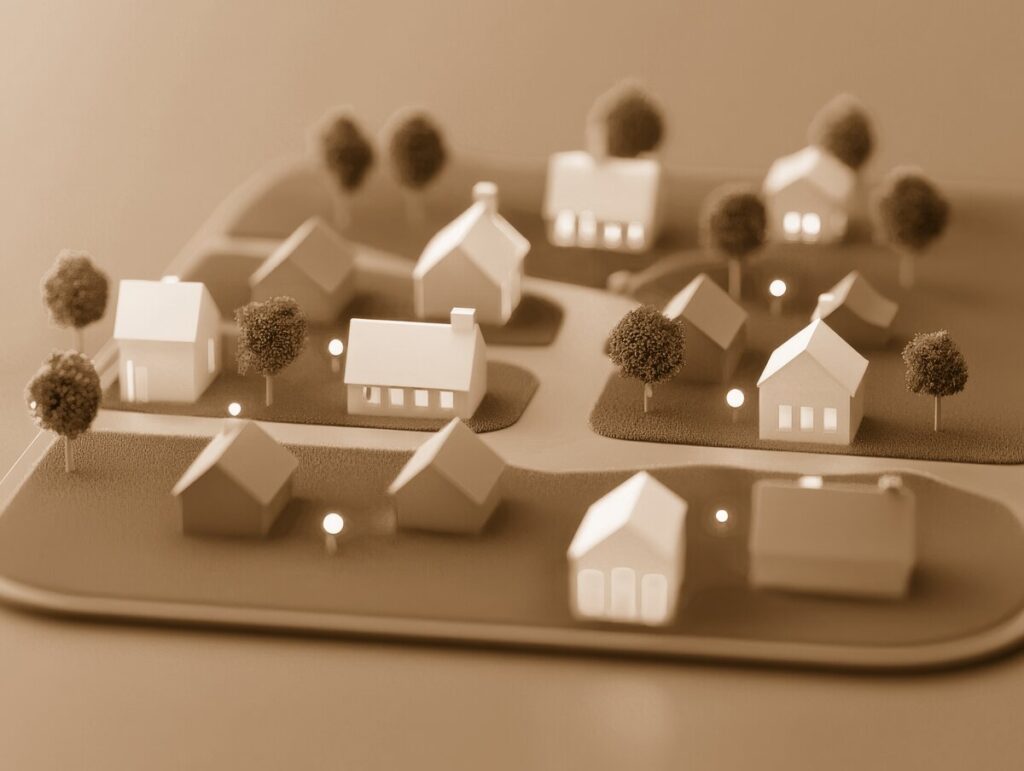
Bedford, Texas, may be best known today for its vibrant community, excellent location between Dallas and Fort Worth, and family-friendly atmosphere, but tucked inside its borders lies a gem many long-term residents hold especially dear: the Bedford Place neighborhood. With roots stretching back more than half a century, Bedford Place tells a beautiful story of growth, heritage, and community spirit that continues to shape the lives of everyone lucky enough to call it home.
Origins: How Bedford Place Got Its Start
The story of Bedford Place truly begins in the 1960s, during a period when the city itself was coming into its own. As families flocked to the Mid-Cities for their quiet charm, good schools, and the promise of suburban living, developers began to see the potential for a new residential neighborhood nestled just off the main thoroughfares. The area that would become Bedford Place sits conveniently close to Central Drive and Bedford Road, two arteries that connected locals to everything they needed.
The name “Bedford Place” was a natural fit, paying tribute not only to the growing city itself, but also to the legacy of Bedford, England—the namesake for the Texas town, chosen by early settlers who hailed from the British city. The word “Place” evokes a sense of comfort and belonging, and it soon became synonymous with the neighborhood’s friendly, close-knit feel.
Early Days and Community Growth
Bedford Place began with just a handful of modest, mid-century homes lining streets such as Bedford Court East, Circle Lane, and Pecan Drive. These early houses, many of which still stand today, were built with quality in mind: sturdy brick exteriors, spacious lots for growing families, and tree-lined avenues that exuded the classic charm of a traditional Texas suburb.
It wasn’t long before the residents of Bedford Place made their mark. Block parties, summer barbecues, and holiday gatherings quickly created a strong sense of camaraderie. The neighborhood’s first PTA meetings were held in living rooms before the nearby Bedford Heights Elementary School was built to serve the area’s many young families.
Key Landmarks and Institutions
No story about the Bedford Place neighborhood would be complete without mentioning the parks and public spaces that have become local favorites. Bedford Boys Ranch Park, just a few blocks to the west, became a second home to kids and parents alike. Whether it was fishing in the pond, gathering for Fourth of July fireworks, or just spending a lazy Sunday afternoon under the shade of tall pecan trees, the park played a central role in neighborhood life.
Landmarks like the Bedford Public Library on Central Drive have anchored the community for decades, offering storytime for little ones, book clubs, and community events that strengthened the bonds among neighbors. The nearby First Baptist Church of Bedford stands as both a spiritual and historical anchor, supporting local families through the years.
Historical Milestones and Transformations
Bedford Place has witnessed its share of important changes and milestones. As the population grew in the 1970s and 1980s, the neighborhood adapted, welcoming new home styles and expanded amenities. Street improvements modernized the area while keeping its signature peaceful ambiance intact.
The construction of Highway 121 opened up new possibilities for residents, offering easy access for commuters but also introducing a fresh wave of families looking for a welcoming place to settle. The early 2000s brought revitalization, with residents investing time and care into restoring original homes, expanding neighborhood watch programs, and organizing annual yard sales that became local traditions.
One of the most beloved milestones in recent years has been the establishment of community beautification projects. Residents of streets like Bedford Court and Circle Lane came together to plant flowerbeds and sponsor tree-planting initiatives, preserving the neighborhood’s green, shaded character for future generations.
Living Legacy: What Makes Bedford Place Special Today
Today, Bedford Place is a wonderful blend of old and new. On any given morning, you might meet longtime residents walking their dogs, children riding bikes to the park, and newcomers drawn by the promise of solid homes and a real sense of belonging. Despite changes over the decades, the neighborhood retains its core values—safety, friendliness, and commitment to community.
- Historic Homes: Many of the original 1960s and 1970s homes remain, lovingly maintained and often updated. Their mature trees and welcoming porches give Bedford Place its timeless appeal.
- Welcoming Streets: Streets like Pecan Drive and Circle Lane are known not just for their pretty yards, but for the waves and hellos exchanged between neighbors.
- Community Spirit: Annual yard sales, porch-decorating contests, and charity drives are evidence of a neighborhood that cares.
Bedford Place’s connection to local schools, like Bedford Heights Elementary and Harwood Junior High, further cements its family-friendly reputation. Parents are active in PTAs, and community events spill out onto school grounds, often becoming joyful intergenerational gatherings.
Heritage for the Next Generation
As Bedford Place approaches its seventh decade, its continued relevance is no accident. Historic preservation, ongoing community projects, and a commitment to inclusiveness ensure that the neighborhood remains a model for suburban living. With each passing year, residents tell their stories—of potlucks on Circle Lane, milestone birthdays in the park, and impromptu driveway concerts—and in doing so, reinforce the sense of history and belonging that sets this neighborhood apart.
So whether you’re a visitor discovering Bedford Place’s charm for the first time or a resident who remembers when the first house went up, there is a shared understanding: Bedford Place isn’t just a place on a map—it’s a living legacy, and home to countless special moments. In Bedford Place, history isn’t just studied; it’s cherished, remembered, and lived every day.